Mucha Foundation Art Museum
The Mucha Foundation Art Museum, which opened in January 2025 in the beautifully restored Baroque Savarin Palace in the heart of Prague, marks an important new chapter in the legacy of Alphonse Mucha (1860–1939), one of the defining figures of Art Nouveau. Developed in partnership with the Mucha Foundation and Czech property developer Crestyl, the museum brings together art, architecture and cultural heritage in an extraordinary historic setting, creating a new destination for both Prague residents and international visitors.
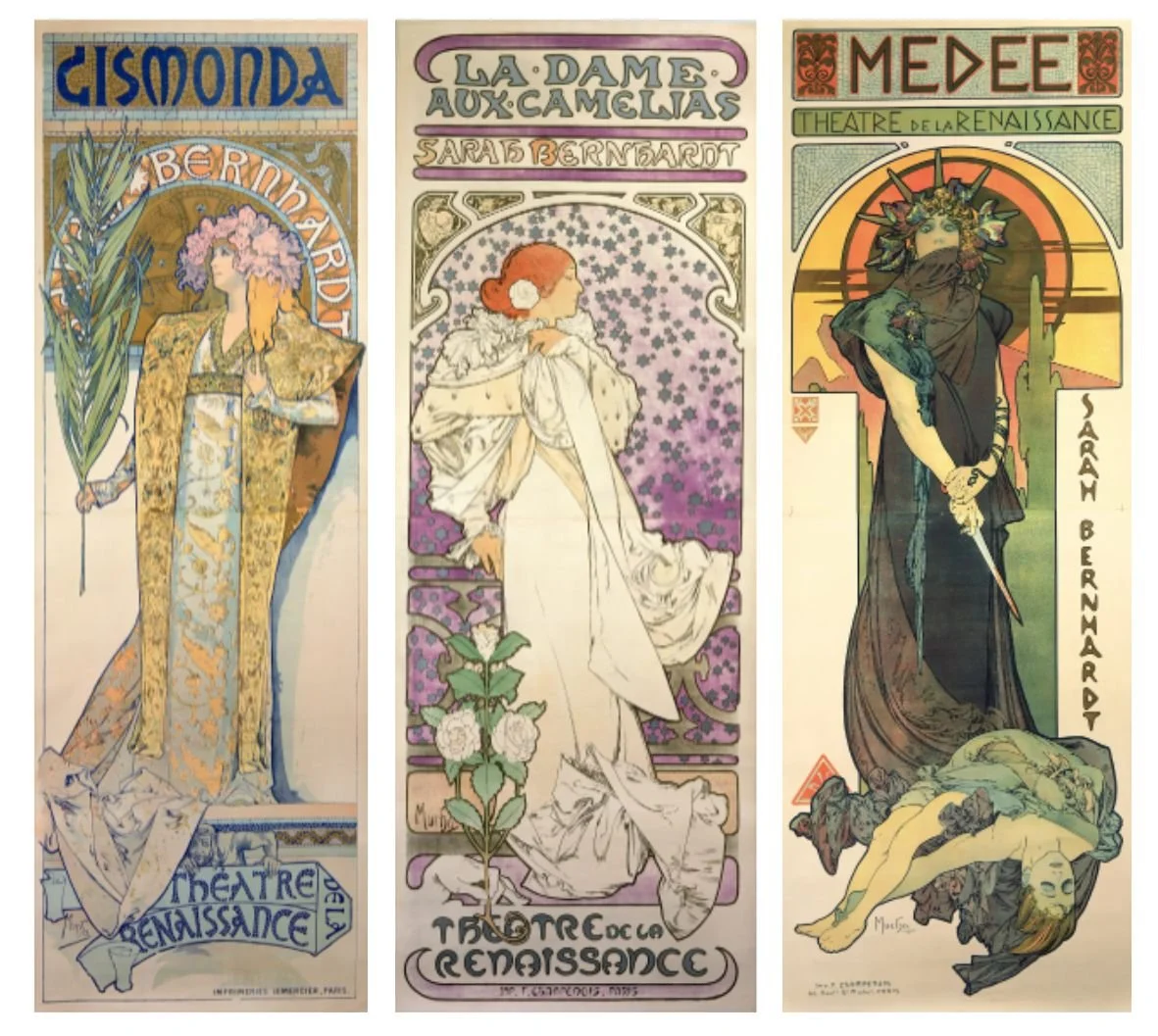
The museum's inaugural permanent exhibition, Alphonse Mucha: Art Nouveau & Utopia, presents around 90 works from the Mucha Trust Collection, including paintings, posters, drawings, books and photographs, alongside immersive digital installations that explore Mucha's remarkable artistic journey, from his celebrated posters for Sarah Bernhardt in fin-de-siècle Paris to his monumental masterpiece, The Slav Epic. Beyond the familiar imagery of Art Nouveau, it reveals an artist deeply committed to the idea that art could be accessible to everyone and serve as a means of bringing people together.
The museum also represents an important step in the transformation of the historic Savarin complex, an ambitious urban regeneration project developed by Crestyl with an architectural vision by Thomas Heatherwick. The restoration of the 18th-century palace and the creation of the museum, with exhibition spaces designed by Czech architect Eva Jiřičná and her studio AI DESIGN, demonstrate how historic buildings can be given new cultural purpose while preserving their architectural character.
Working alongside colleagues at Pickles PR, I supported the Mucha Foundation and Crestyl with international communications strategy and media outreach. Our approach was to develop editorial narratives that would appeal to different audiences, from art and design journalists to writers covering architecture, travel, cultural heritage and urban development. This meant looking beyond the announcement of a new museum to explore Mucha’s extraordinary influence on visual culture, the Foundation’s commitment to preserving and sharing his legacy, and the wider significance of the Savarin project for Prague — as this in-depth feature in The Financial Times explores.
It was exciting to work with two organisations approaching cultural heritage from different but complementary perspectives. The Mucha Foundation, established by the artist’s family, has spent decades preserving his work and introducing it to audiences around the world. The opening of this new museum offered an opportunity to build on that legacy, inviting visitors to discover the breadth of Mucha’s artistic practice and his enduring relevance beyond Art Nouveau. For Czech property developer Crestyl, the project forms part of a much larger vision to revitalise a historic site. The transformation of a former casino into a museum, within one of the city’s most beautiful Baroque buildings, is an example of how private development can contribute to public cultural life.
For me, the project brought together several interests: the relationship between art and architecture, the responsibility and challenges of cultural institutions to preserve and reinterpret artistic legacies, and the role that urban development can play in shaping a city’s identity. It was rewarding to help communicate these different dimensions, introducing not only a beautiful new museum but also the people and ideas behind its creation.